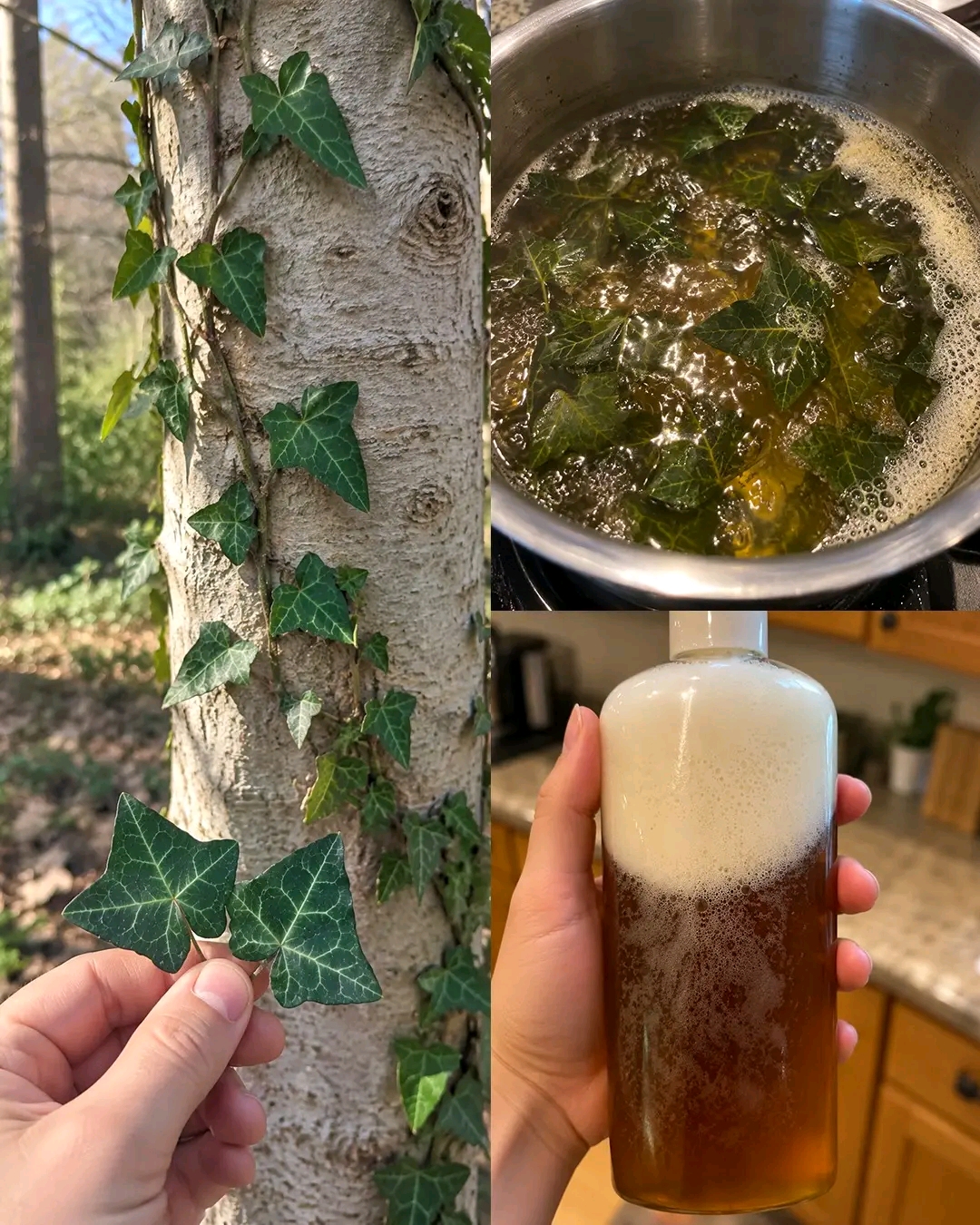
Common Ivy, known scientifically as Hedera helix, is a plant that grows abundantly in many parts of the world. While it is mostly famous for climbing up brick walls, fences, and tree trunks, it holds a hidden power: it can be turned into a natural, homemade soap. The secret lies inside the leaves. They contain high amounts of natural compounds called saponins. When mixed with water, saponins create a soapy lather that breaks down dirt and cleans very effectively.
Choosing to make your own soap from Common Ivy comes with several great advantages:
It is completely free: You do not need to buy expensive ingredients. You can simply gather the leaves from your own garden or local area.
It is highly sustainable: Ivy grows aggressively all year round. Harvesting the leaves will not harm the environment or deplete a rare plant.
It is eco-friendly: The soap you make contains zero synthetic chemicals, artificial fragrances, or microplastics, meaning it will not pollute the water system.
It is simple to make: You do not need any special equipment or complicated chemical processes to extract the soap.
It reduces plastic waste: By making your own liquid soap, you stop buying plastic bottles from the store.
Important Safety Rules
Before you begin gathering leaves and making your soap, it is very important to follow strict safety guidelines. Common Ivy is a powerful plant, and it must be handled correctly.
You Thought Prison Was Cold? Think Again!
Always wear gloves: Fresh ivy leaves contain a compound that can irritate sensitive skin and cause an itchy rash. You must wear protective gardening or rubber gloves when picking, tearing, and handling the raw leaves.
Do not consume it: Common Ivy is toxic if swallowed. The soap liquid you create is strictly for cleaning purposes. It must never be eaten or drunk.
Keep away from children and pets: Store your finished soap in a clearly labeled bottle out of reach of young children and animals.
Avoid the berries: The black berries that sometimes grow on mature ivy plants are highly toxic. Do not use them. You only need the green leaves.


