Fig Leaves: Surprising Benefits and Uses
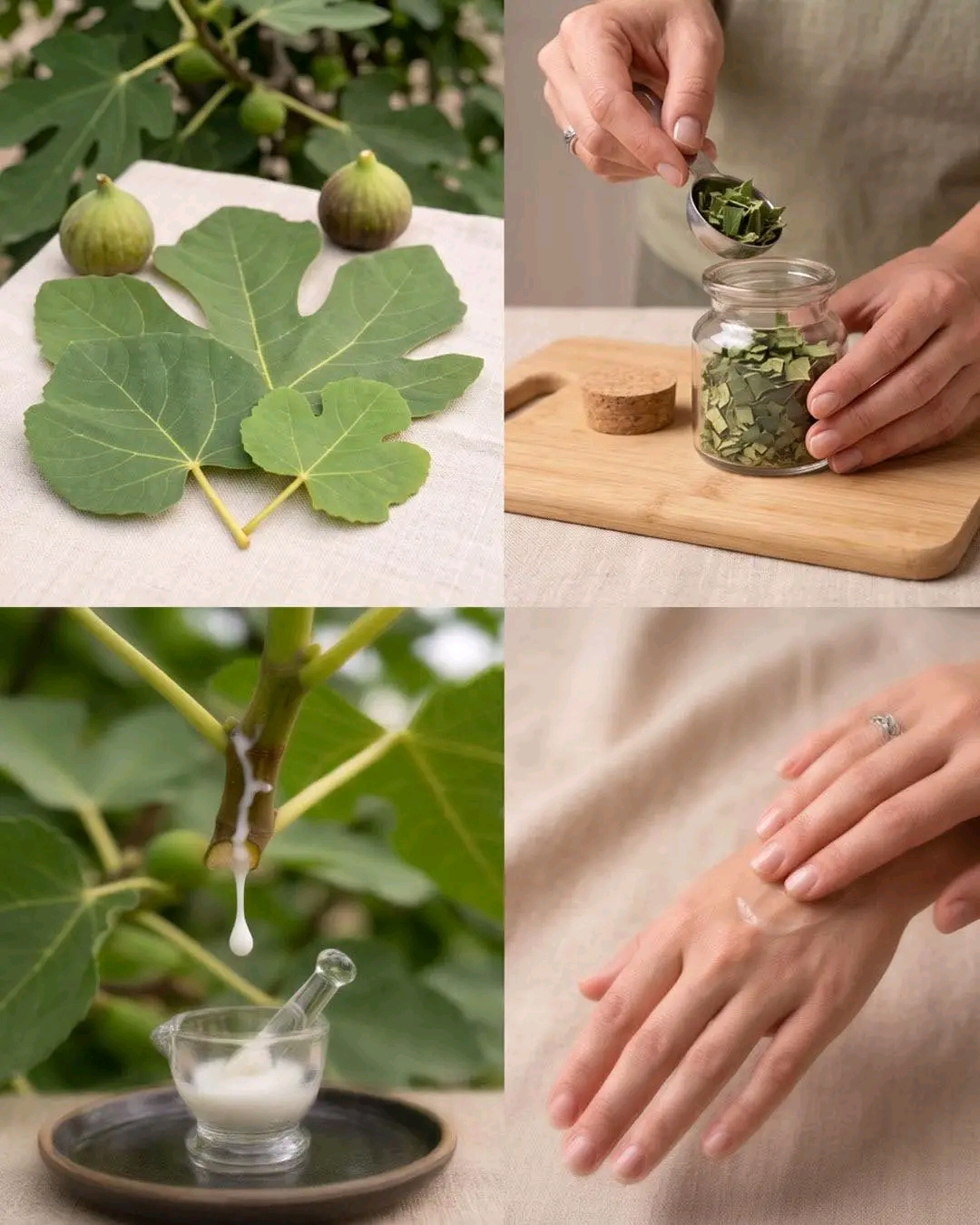
4.Anti-Inflammatory Properties
Fig leaves contain bioactive compounds that reduce inflammation in the body, making them helpful for managing arthritis, joint pain, and other inflammatory conditions.




5.Promotes Weight Management
Regular consumption of fig leaf tea can support weight loss by improving metabolism and reducing fat accumulation.
6.Boosts Skin Health
The antioxidants in fig leaves protect the skin from oxidative stress, reducing signs of aging such as wrinkles and fine lines. Their anti-inflammatory properties also help treat skin conditions like eczema, psoriasis, and acne.
7.Respiratory Relief
Fig leaves have been used traditionally to alleviate respiratory conditions such as bronchitis and asthma. Inhaling steam from boiled fig leaves can clear airways and reduce mucus buildup.
8.Enhances Bone Health
The calcium and potassium in fig leaves strengthen bones and prevent conditions like osteoporosis.
Culinary Uses of Fig Leaves
Fig Leaf Tea:
Boil a few fresh or dried fig leaves in water for 5–10 minutes to create a soothing herbal tea. It’s a natural remedy for diabetes, digestive health, and relaxation.
Food Wrapping:
Fig leaves are used to wrap food, similar to grape leaves. They impart a subtle nutty and coconut-like flavor when steamed or baked with ingredients like fish, rice, or meats.
Flavor Enhancer:
Infuse fig leaves into milk or cream to add a unique, aromatic flavor to desserts like custards, ice cream, and panna cotta.
Cooking Oil Infusion:
Add fig leaves to olive oil for a flavorful dressing or marinade.
Traditional and Medicinal Uses
Topical Applications
Crushed fig leaves or their extract can be applied to:
Wounds and Cuts: Speed up healing and prevent infections.
Skin Conditions: Soothe inflamed or itchy skin caused by eczema or insect bites.