Plantago major (Broadleaf Plantain): Benefits, Uses, Nutrition, and How to Identify This Common Edible Weed
Plantago major (Broadleaf Plantain): Benefits, Uses, Nutrition, and How to Identify This Common Edible Weed



wawstock2 weeks agoAdd comment4 min read
Plantago major, commonly known as broadleaf plantain or greater plantain, is a hardy little plant that grows in lawns, gardens, pathways, fields, and disturbed ground across much of the world.Flora & Fauna
Many gardeners consider it nothing more than a stubborn weed. But for generations, people have eaten its young leaves and used the plant in traditional herbal preparations.
And no—it has nothing to do with the banana-like fruit also called plantain.
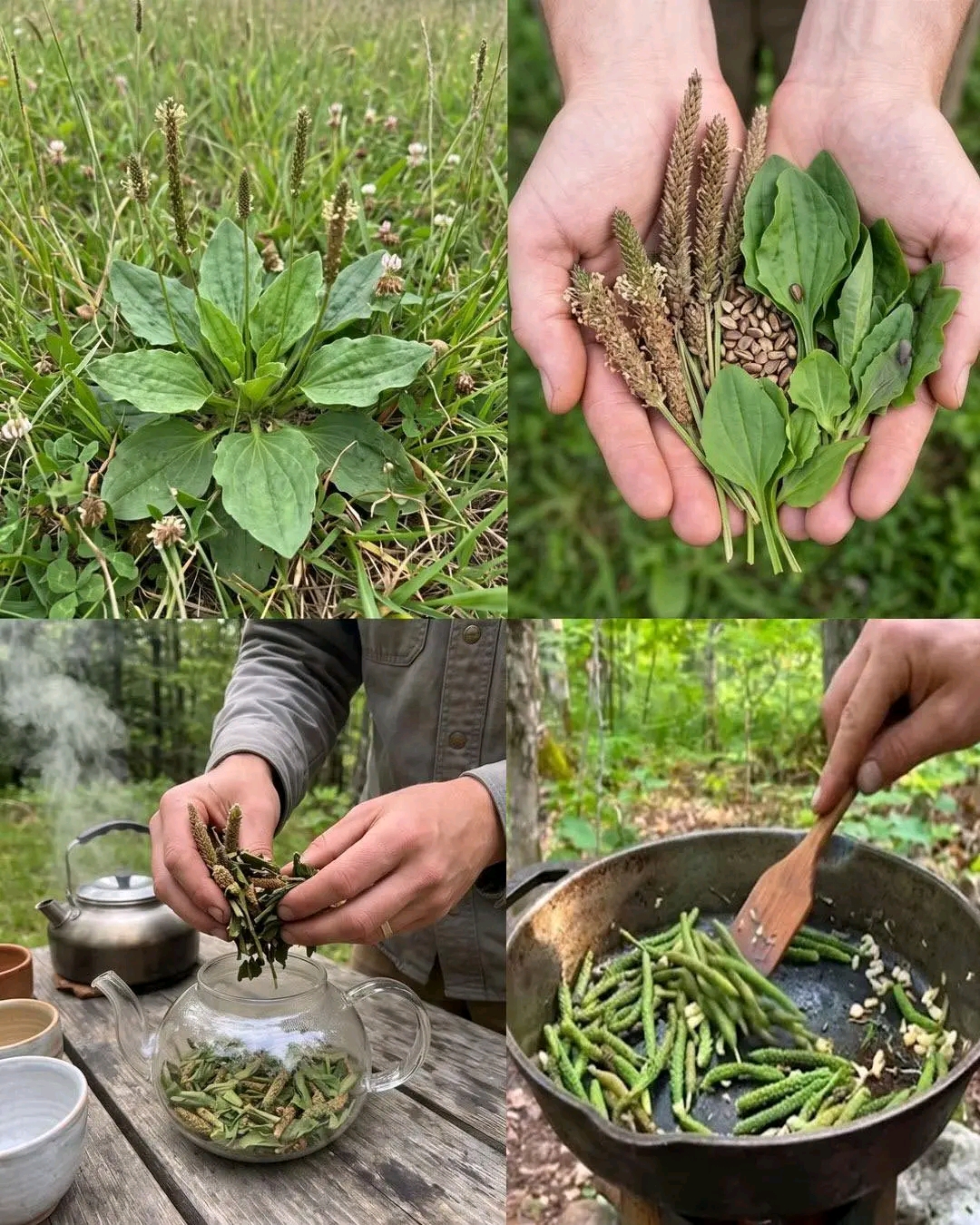
How to Recognize Plantago major
Broadleaf plantain usually grows as a low rosette close to the ground.
Look for:
Broad, oval green leaves
Several prominent parallel veins running through each leaf
Long leaf stalks
Thin, upright flower spikes
Tiny greenish-brown flowers and seeds along the spikesBiological Sciences
One particularly noticeable feature is the strong, string-like veins inside the leaves. If you gently pull a leaf apart, these fibers can often be seen stretching between the torn sections.
Correct identification is essential before eating any wild plant.
Can You Really Eat Plantago major?
Yes. The young leaves of correctly identified Plantago major are edible.
Young leaves are generally the best choice because they are more tender and have a milder flavor.
They can be:
Added raw to salads in small amounts
Chopped into soups
Lightly sautéed
Cooked similarly to other leafy greens
Blended into savory green dishesGardening
Older leaves become tougher and more fibrous, so cooking them usually makes them more pleasant to eat.
The flavor is earthy and slightly bitter.
Why Are People Eating This Backyard Weed?
One reason is surprisingly simple: it’s a readily available edible green that many people remove from their gardens without realizing it can be used as food.