Pumpkin, Seeds and Flowers: Benefits and Uses
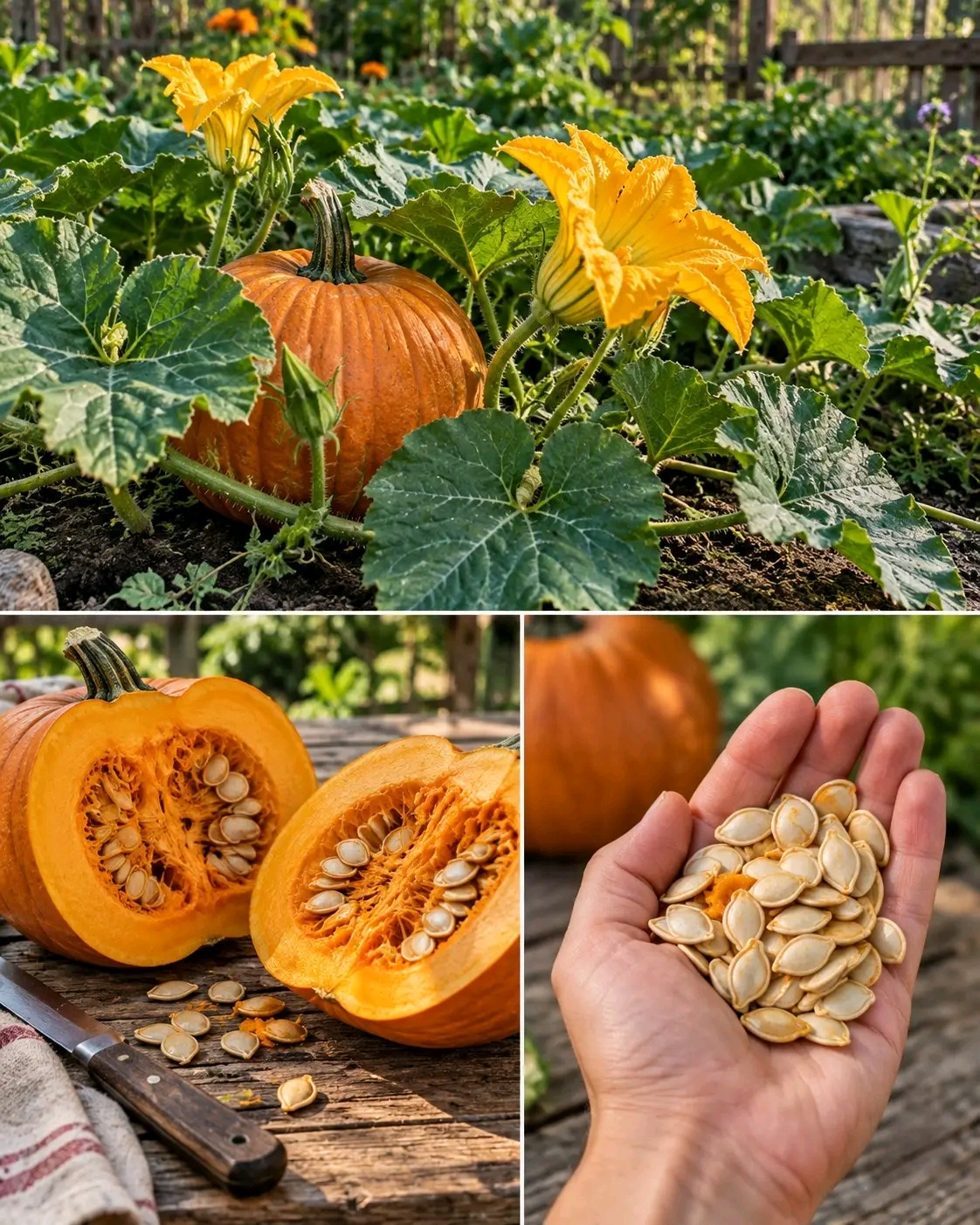
Pumpkin is much more than a colorful seasonal ingredient. Almost every edible part of the plant can be used in the kitchen, including its sweet flesh, nutritious seeds and delicate yellow flowers.
Pumpkin and pumpkin seeds provide vitamins, minerals, fiber and beneficial plant compounds that can contribute to a varied and balanced diet. Pumpkin flowers are also edible and have long been appreciated in traditional dishes around the world.

Benefits of Pumpkin Flesh
Pumpkin flesh contains plenty of water and fiber, which support hydration and normal digestion. Its orange color comes from beta-carotene, which the body converts into vitamin A—a nutrient important for vision, skin and immune function
Pumpkin also provides vitamin C, potassium and other beneficial plant compounds. It is naturally low in calories when eaten without excessive sugar, cream or butter.
Benefits of Pumpkin Seeds
Pumpkin seeds, also known as pepitas, are rich in magnesium, zinc, plant-based protein and healthy unsaturated fats. These nutrients support normal muscle function, immunity, energy production and heart-healthy eating.
Pumpkin seeds and pumpkin seed oil have also been studied for urinary and prostate health, but they should not be considered a treatment for prostate conditions.
Enjoy the seeds raw or roasted, add them to salads and oatmeal or blend them into smoothies.
Pumpkin Flowers: An Overlooked Edible Treasure
Everybody loves pumpkin, but most people overlook its beautiful edible flowers. 🎃💛
Pumpkin flowers are delicate, flavorful and naturally low in calories. They contain beneficial plant pigments, including carotenoids, as well as small amounts of vitamins and minerals.
They can be added to salads, soups and omelets or lightly sautéed, stuffed and baked. Harvest them on the day they open, preferably early in the morning
Gardeners normally pick the male flowers, which grow on long, thin stems. Female flowers have a tiny pumpkin behind them and should be left on the vine if you want the plant to produce fruit.