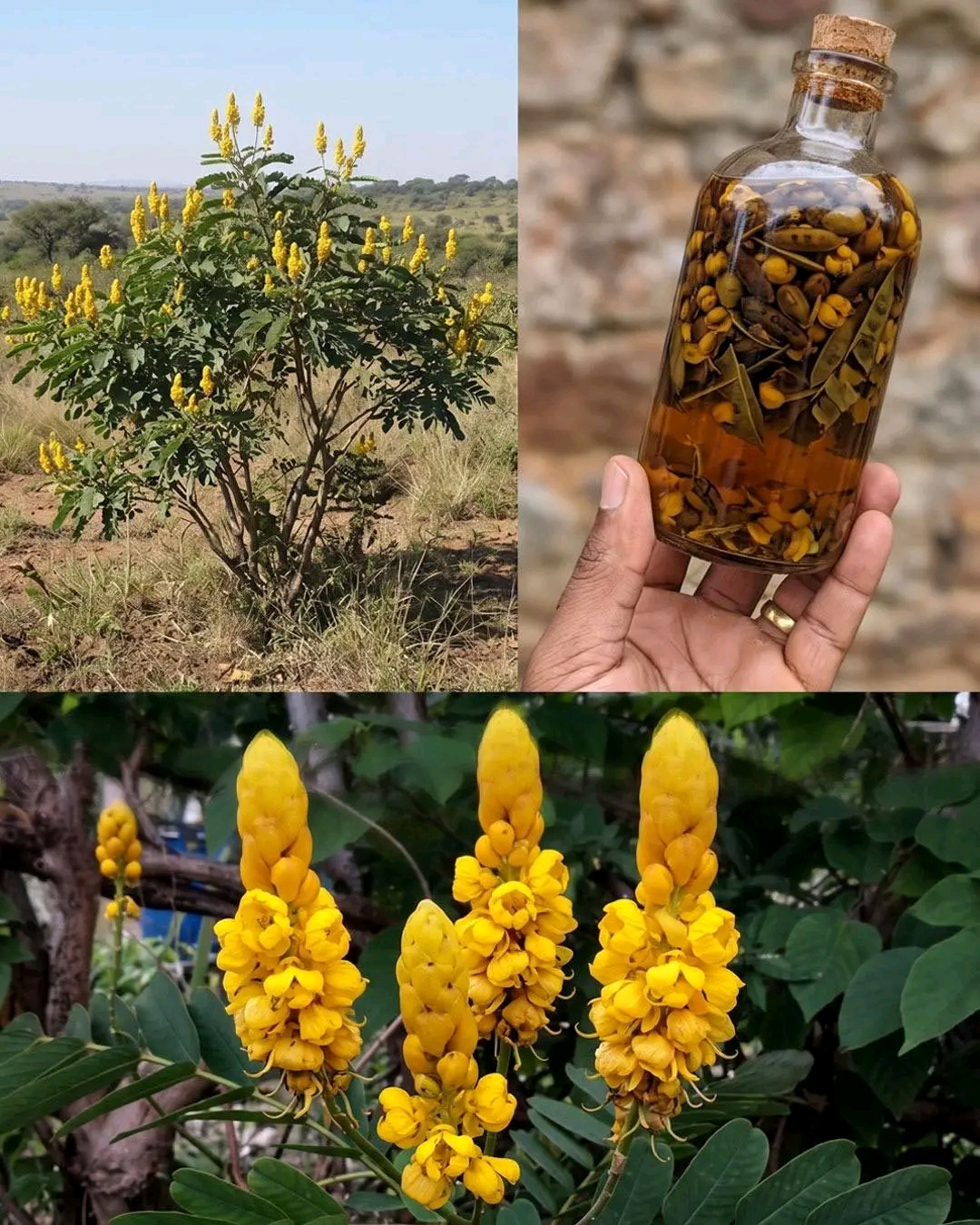
Improved Digestive Health
In addition to its laxative properties, senna can stimulate the digestive system, promoting regular bowel movements. This can be beneficial for individuals with irregular digestion or those prone to occasional digestive discomfort.
7. Traditional Medicine Use for Fevers and Inflammation
In traditional medicine, especially Ayurvedic practices, senna is used to reduce fever and inflammation. While not a primary treatment for these conditions, senna’s mild anti-inflammatory properties can provide support in managing fever-related symptoms and inflammation.
Precautions and Side Effects
While senna offers several health benefits, it’s essential to use it carefully:
Short-Term Use Only: Senna is recommended for short-term use due to its strong laxative effects, which can cause dependency if used for extended periods.
Potential Side Effects: Overuse can lead to dehydration, electrolyte imbalance, and cramping.
Avoid in Pregnancy: Pregnant and breastfeeding women should avoid senna, as it may stimulate uterine contractions.
Consultation: Always consult a healthcare professional before using senna, especially if you have digestive disorders or are on medication.
How to Use Senna
Tea: The most common way to use senna is as a tea. Steep 1-2 grams of dried senna leaves in hot water for 5-10 minutes. Consume in moderation, typically before bed.
Powder or Capsules: Senna powder and capsules are also available as supplements, providing a convenient way to use it.
Senna alexandrina is a powerful plant with several beneficial applications, especially in digestive health and natural cleansing. Used responsibly, it can be a valuable addition to your herbal medicine cabinet.